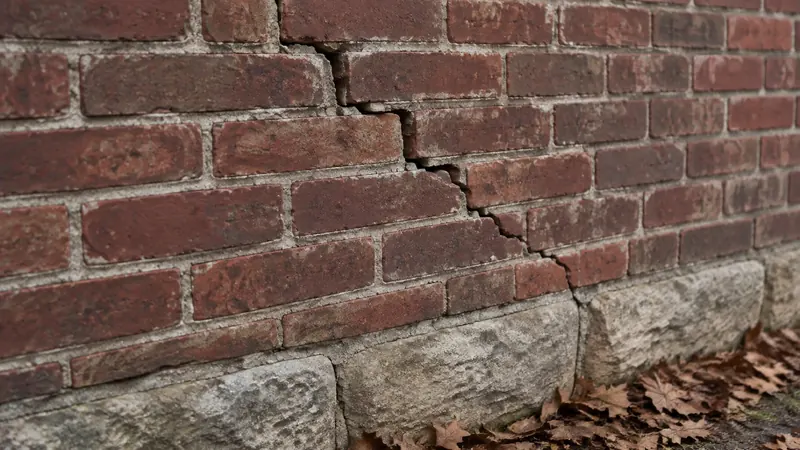
 Cracks in brick, walls and ceilingsZigzag breaks along the mortar joints, slanting cracks from door corners, ceiling seams that reopen after patching.What it can mean
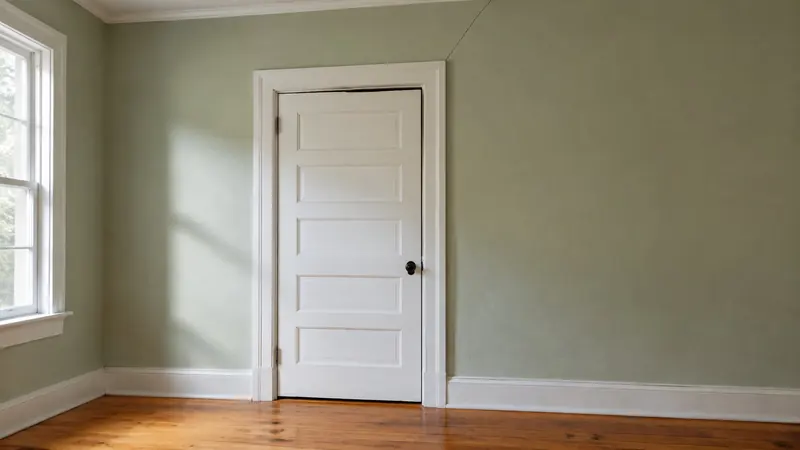 Sticking doors and windowsFrames gone out of square: the latch misses its plate, or a sash binds partway up.What it can mean
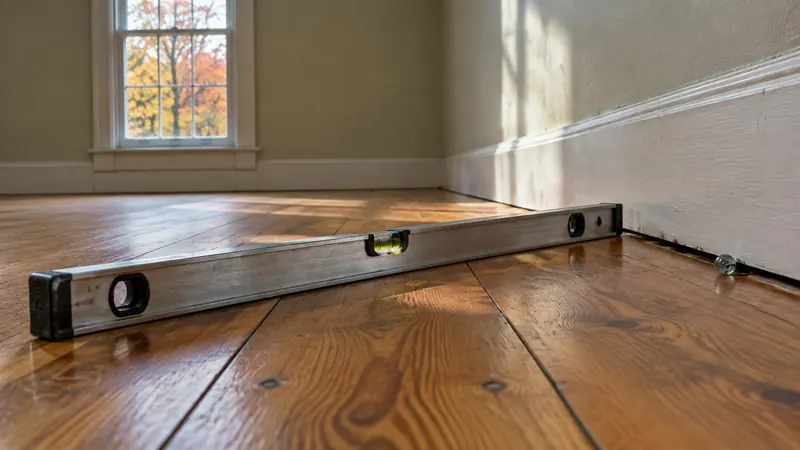 Floors that slope, sag or bounceMarbles roll toward one wall, the hallway has a hollow, or dishes rattle as you cross the room.What it can mean
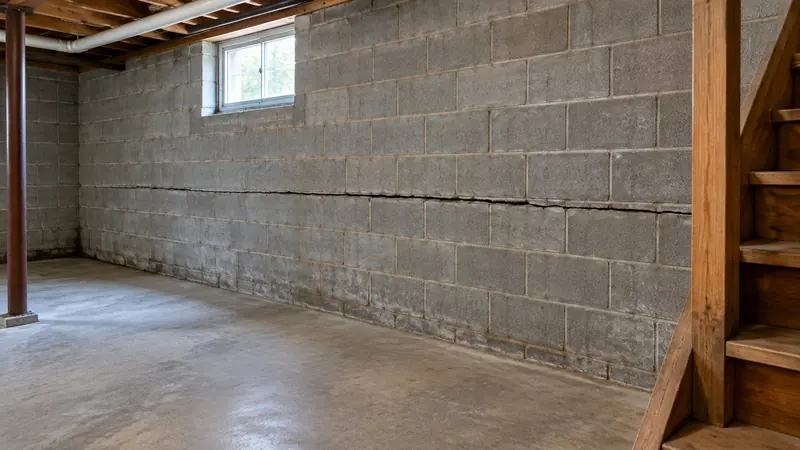 Foundation crack repairCracks in a block or poured basement wall, a crawl space wall or a concrete slab.What it can mean
 Bowing or leaning basement wallsA block wall bulging in the middle, leaning in at the top or sliding in along the floor.What it can mean
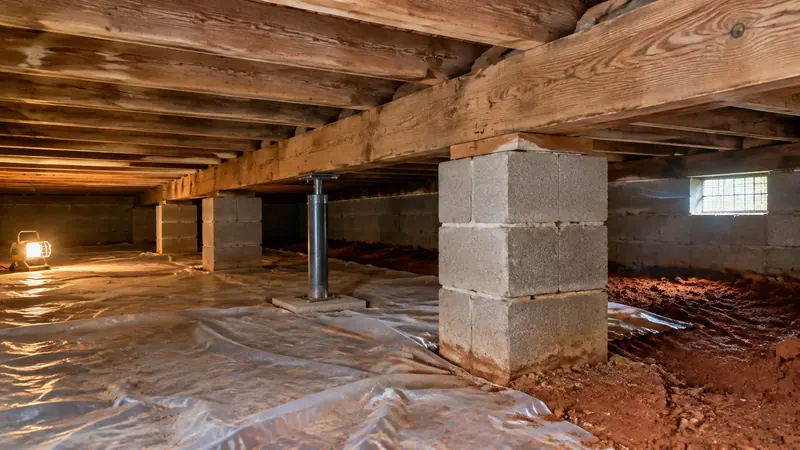 Crawl space repairSagging floors over a crawl space: sinking piers, tired beams and damp, softened wood.What it can mean
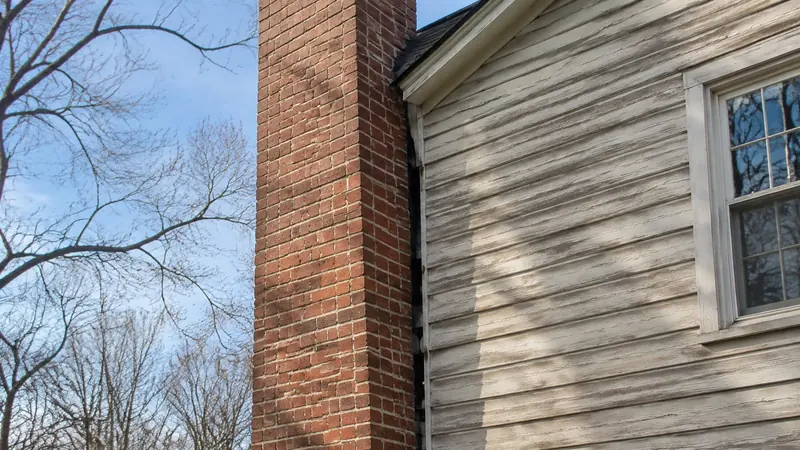 Chimney, porch or steps pulling awayDaylight showing where the chimney, the front porch or the concrete steps used to meet the wall.What it can mean
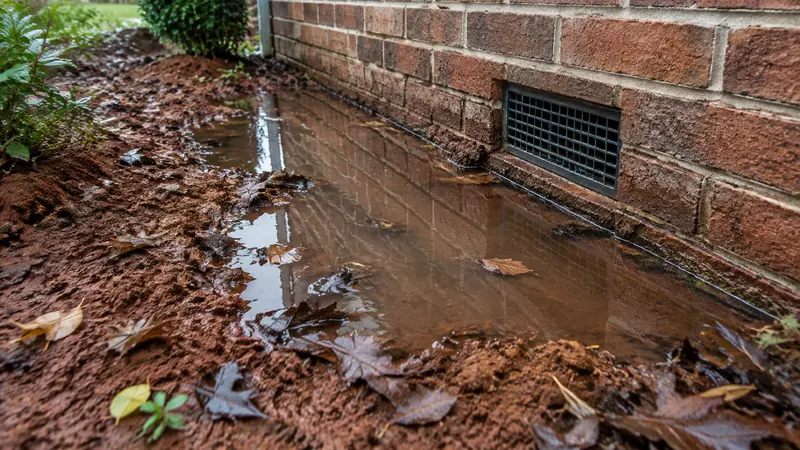 Water standing by the houseRain that sits at the base of the wall, beds that stay soggy, a downspout dumping at the corner.What it can mean
How to read these pages
A sign is a clue, not a verdict. The same crack can come from a settling footing, from drywall drying out or from a framing change made years ago. Each page separates the causes a foundation repair company deals with from the ones that belong to a plumber, a roofer or a basement waterproofing specialist.
Two things are worth doing before any call. Take dated photos with a coin or a tape measure in the frame. And note whether the sign changes with the seasons, because movement that comes and goes with wet and dry weather tells an inspector something different from movement that only goes one way.