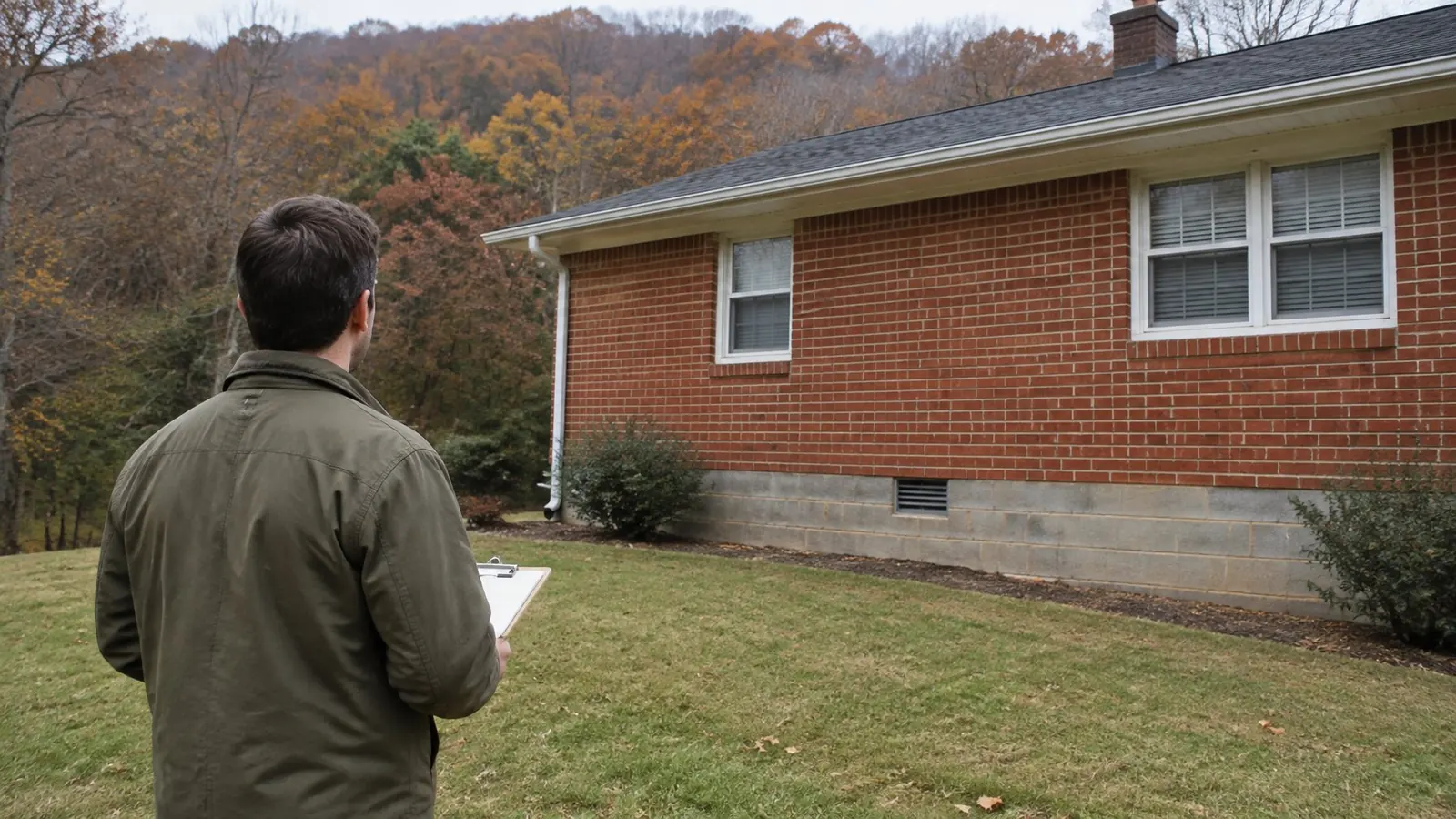
Two kinds of inspector
A foundation repair company
- Looks at the house in order to propose a repair it can carry out
- Usually takes floor-level readings and photographs, and produces a sketch with a price
- Knows local soils and what has worked on nearby houses
- Ask when booking whether the visit carries a charge
A structural engineer
- Hired and paid by you to give an opinion, with nothing to sell afterward
- Writes a report on the cause and the kind of repair needed, sometimes with drawings
- Useful for a large or disputed repair, a house sale, or a second opinion
- Licensed by the State of Tennessee; the license can be looked up
Checking an engineer's license
Engineers in Tennessee are regulated by the Board of Examiners for Architects, Engineers, and Land Surveyors. You can confirm that a named engineer holds a current license on the state's license search. A letter or drawing that supports a permit should carry the engineer's name and license number.
What a thorough visit covers
- Your account
- When you first noticed it, what has changed, any past repairs, plumbing leaks or drainage work.
- The outside
- All four sides: cracks, gaps at windows and trim, the chimney, grading, downspouts, trees close to the house.
- The inside
- Cracks, doors and windows, and a floor-level survey taken across every room.
- Under the house
- The crawl space or basement: piers, beams, walls, moisture. An inspection that skips this is incomplete for a crawl space house.
- A conclusion
- What has moved, the likely cause, whether it appears to be continuing and what is recommended.
Getting ready for the visit
- Clear a path to the crawl space hatch, the basement walls and the electrical panel.
- Gather anything on paper: the home inspection from when you bought, past repair invoices, warranty documents.
- Print or save your dated photos of the cracks.
- Plan to be home. Walking round with the inspector is the quickest way to understand the findings.
What to ask for in writing
Before the inspector leaves, or with the proposal that follows, ask for:
- The floor-level readings, as a drawing you can keep
- Photographs of each problem area, labeled
- A plain statement of the cause the company believes is at work
- The recommended repair, with locations marked on a plan of the house
- Anything the inspector could not see or reach, and what would be needed to check it
Keep these even if you decide to do nothing yet. If the house is measured again in a year, the two sets of readings show whether it is still moving, and that is worth more than any single opinion.